


Hiring a Glass Artisan: Questions to Ask First
Most people commission a custom glass project only once or twice in their lives. That rarity makes the conversation before hiring a glass artisan more consequential than almost any other contractor conversation you will have. Get it wrong and you risk a finished piece that does not match your space, a timeline that drags past a meaningful deadline, or a contract that leaves you exposed when something goes sideways during installation. The questions in this guide are drawn from real project scenarios, the kind Aldie Glassworks encounters when working with homeowners, churches, and commercial clients across Northern Virginia. Use them before you commit to anyone.
Table of Contents
Quick Takeaways
Key Insight | Explanation |
|---|---|
Project-type fit beats general experience | An artisan with ten years of residential work may lack the ecclesiastical knowledge required for a church restoration. Always ask about experience specific to your project type. |
Ask for a site visit before any design begins | Measurements taken remotely or from photos frequently result in panels that do not seat correctly. Insist on an in-person site review before glass is ordered or fabrication starts. |
Custom timelines are longer than most clients expect | Smaller custom pieces commonly take six to eight weeks from design approval. Larger or more complex architectural installations can run several months. Plan around that reality, not an optimistic estimate. |
Get payment milestones in writing | A clear contract should spell out the deposit amount, any milestone payments tied to design approvals or fabrication stages, and the final payment terms. Never pay in full upfront. |
Portfolios should show range, not just highlights | A single stunning project photo is not a portfolio. Look for evidence across architectural styles, project scales, and use cases before forming a judgment. |
Restoration work requires matching original materials | For historical or church glass, the artisan must be able to source period-appropriate glass that matches the original in color, opacity, and texture. Generic replacement glass is not acceptable. |
Verify licensing and insurance independently | Ask for proof of licensing and liability insurance, then confirm both are current. In Virginia, contractors working on structural elements are subject to state licensing requirements. |
Why the Pre-Project Conversation Matters More Than the Portfolio
A polished portfolio tells you what an artisan has done. The pre-project conversation tells you how they think. Those are two different things, and the second one predicts your actual experience far more accurately.
When hiring a glass artisan for a project as specific as a custom church window, a residential architectural panel, or a historic restoration, the initial consultation is where design discipline either shows or does not. An artisan who asks you about the direction your windows face, how light moves through the space across seasons, and what you want visitors to feel is doing real design work. One who jumps straight to showing you a catalog is not.
The early conversation sets the tone for everything that follows. Clear questions can reveal how a project will be planned, how communication will work, and whether the artisan is the right fit for your goals.
This matters especially for clients in Northern Virginia, where residential architecture ranges from Federal-style townhomes in Leesburg's historic district to contemporary new builds in Loudoun County developments. The same artisan skill set does not serve all of those contexts equally. Asking the right questions early is how you find out whether the fit is real.

Questions About Experience and Specialization
The most important thing to establish at the start is whether the artisan's experience matches your project type, not just the medium. Glass work spans a wide range of disciplines: residential decorative panels, architectural installations, ecclesiastical windows, commercial privacy glass, and historical restoration. These are not interchangeable.
What types of projects do you handle most often?
Ask this directly and listen for specificity. An artisan who works primarily on shower doors and storefronts may not have the design vocabulary or material sourcing capability for a church commission. The answer should describe not just the type of glass work but the client relationships and decision-making processes involved.
For church projects, you need an artisan who understands biblical iconography, period-specific techniques, and the acoustics of sacred space, not just color theory. For residential architectural glass, the conversation should touch on how light moves through your specific rooms, how the design relates to your existing interior finishes, and what the piece will look like from the street as well as from inside.
Can you show me projects similar to mine, not just your best work?
Best-of portfolios are marketing materials. What you need to see is range. Ask to see projects that were challenging, projects done in spaces similar to yours, and projects for clients who had tight budgets or unusual constraints. A strong portfolio demonstrates versatility across architectural styles and project scales, not one repeated format presented under flattering lighting.
Pro tip: Pro tip: Ask if you can contact a past client whose project resembles yours. Any artisan confident in their work will be comfortable making that introduction.
Have you worked with historic or protected structures before?
This question matters for anyone commissioning work on a building with historical designation, which applies to many churches and older commercial properties in Loudoun and Fauquier counties. Restoration work in these contexts often requires documentation, period-appropriate materials, and sometimes approval from historic preservation bodies. An artisan unfamiliar with that process can create legal and structural complications that far outlast the project itself.
Questions About the Design Process
Custom glass projects fail most often at the design handoff, where what the client imagined and what the artisan interpreted diverge without either party realizing it until fabrication is already underway. A rigorous design process prevents this.
How do you translate a client's vision into a working design?
The answer should describe more than "we sketch some ideas and you pick one." A serious design process includes a structured conversation about how you use the space, what lighting conditions exist at different times of day, what architectural elements the glass needs to complement, and what the piece should communicate emotionally. For church clients, this conversation should include the congregation's theological and liturgical priorities, not just aesthetic preferences.
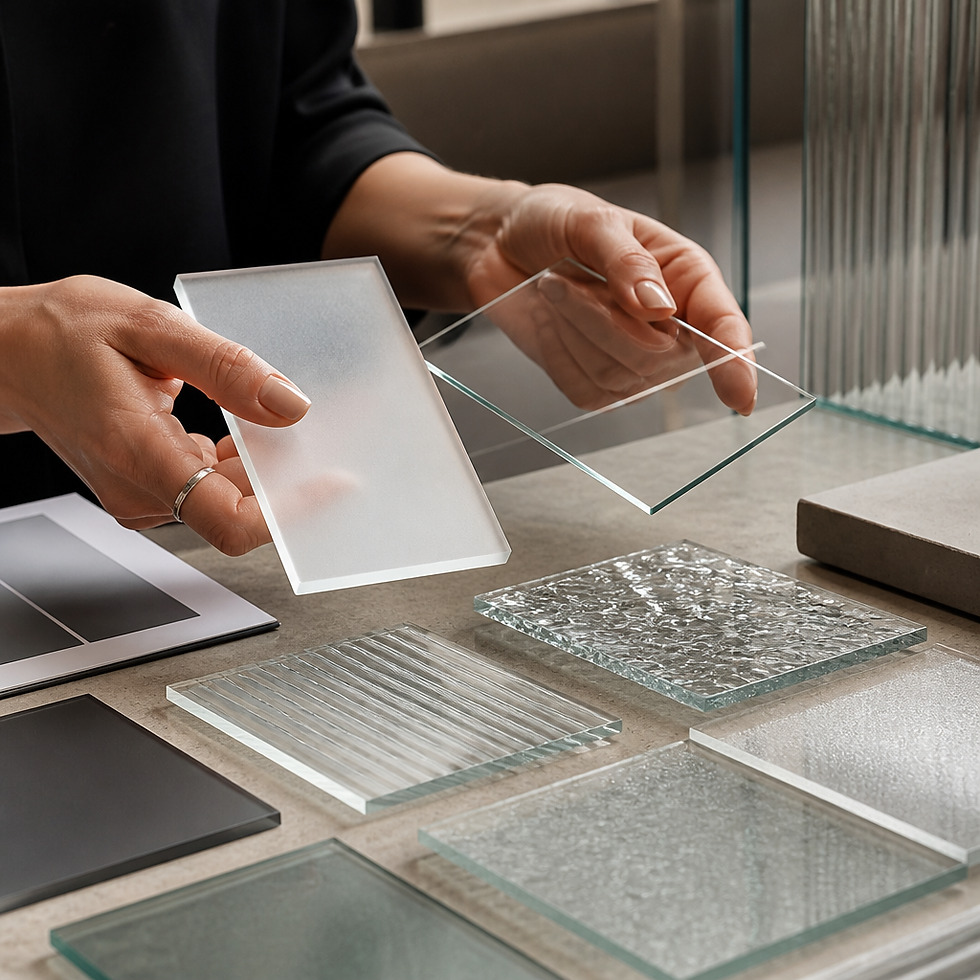
Look for an artisan who brings reference materials to the consultation: sample glass swatches, color palette options, scale drawings, or photographs of comparable completed work. These are signs of a practitioner who treats the design consultation as a professional service, not an informal chat before the real work begins.
How many revision rounds are included, and at what stage can changes still be made?
Changes become exponentially more expensive the further along in the process they occur. A design change before glass is cut costs almost nothing. The same change after cutting begins can cost as much as restarting fabrication from scratch. Ask explicitly at what point the design is considered locked, what happens if you want a change after that point, and what revisions are included in the original scope versus billed separately.
Pro tip: Request a written design approval document before fabrication begins. Your signature on that document confirms both parties understand exactly what is being built. Without it, scope disputes become nearly impossible to resolve cleanly.
Questions About Materials and Fabrication
The material choices in a custom glass project directly determine how the piece performs, ages, and relates to its surroundings over decades. This is not a topic to leave vague.
What glass types and fabrication techniques do you use, and why?
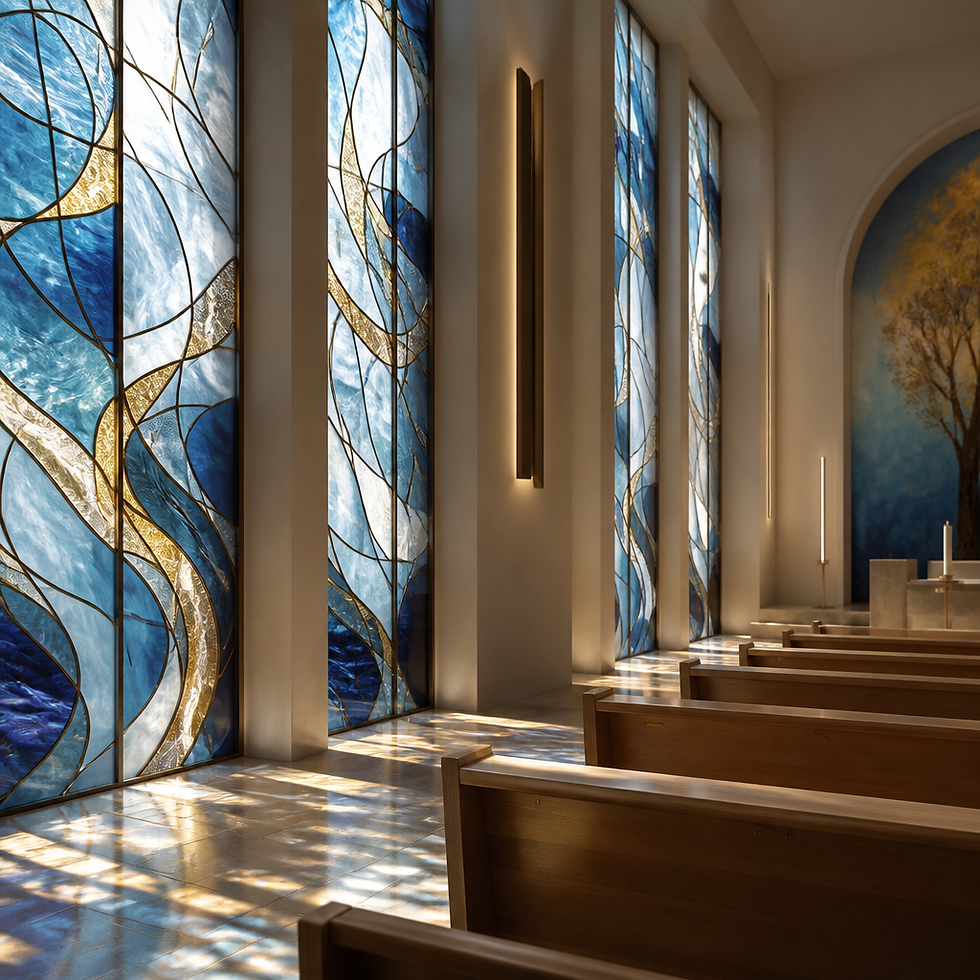
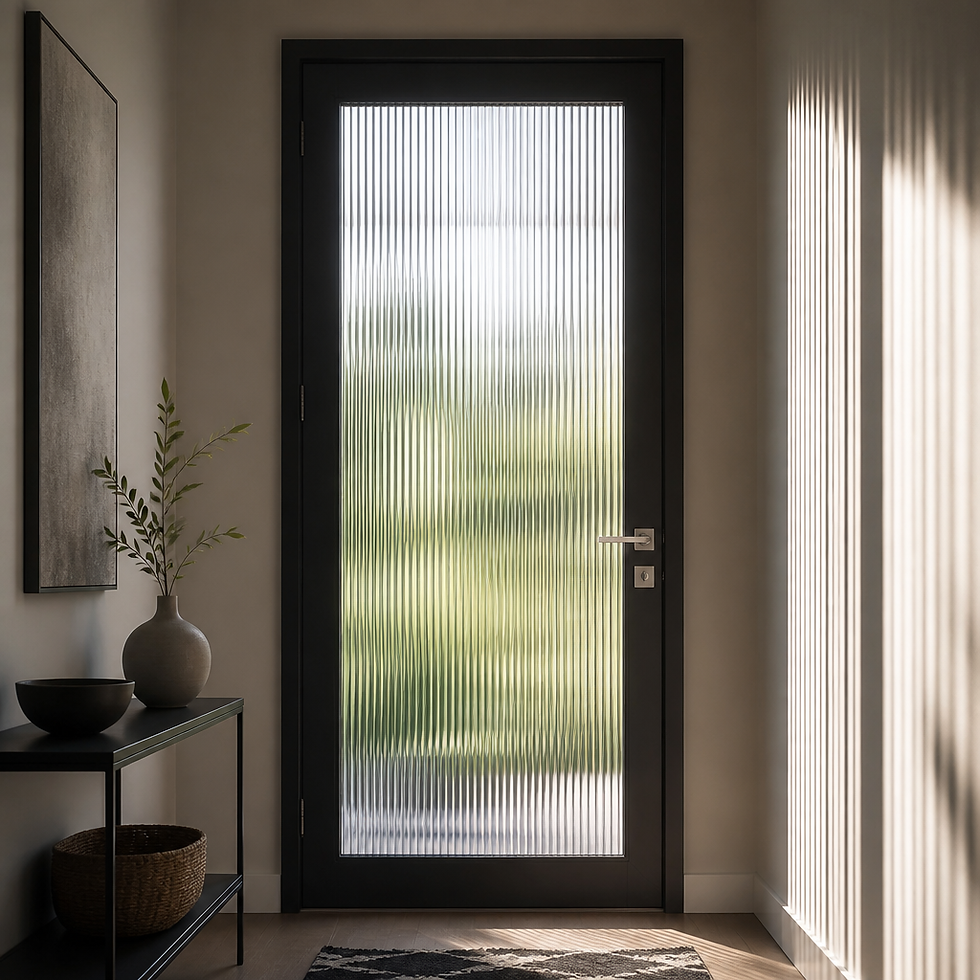
An artisan who works in mouth-blown antique glass, cathedral glass, opalescent glass, and fused glass should be able to explain the tradeoffs of each for your specific application. Colored glass, for instance, adds vibrancy but creates varying levels of translucency depending on the technique used. Textured glass can offer full privacy with maximum light transmission. These are not interchangeable choices, and the right answer depends on your space and intent, not on what the studio happens to stock.
For restoration work, this question becomes even more critical. Matching original materials in color, opacity, and texture requires either sourcing period-appropriate glass or commissioning custom reproduction glass. Substituting modern float glass for hand-blown antique glass in a historic restoration is a technical and aesthetic failure, regardless of how well the new piece is made.
Is all fabrication done in your studio, or do you outsource any part of the work?
Some studios design in-house but outsource cutting, grinding, or lead work to other shops. This is not inherently problematic, but it does affect quality control, timeline predictability, and accountability when something goes wrong. If any part of your project will leave the studio, you have a right to know that before signing a contract.
Questions About Timeline and Project Management
Timeline expectations are where clients and artisans most frequently miscommunicate, and where that miscommunication causes the most damage to the working relationship.
What is a realistic timeline for my project from design approval to installation?
Smaller custom pieces commonly take six to eight weeks from design approval to completion. Larger or more complex architectural installations, including church windows or multi-panel residential commissions, can run several months. These are not inflated estimates. They reflect the sequential nature of glass work: design approval, material sourcing, cutting, assembly, finishing, and installation cannot meaningfully be rushed without compromising quality.
If you have a fixed deadline, a church anniversary, a home renovation completion date, or a commercial opening, state it clearly at the first consultation and ask the artisan whether it is achievable. A practitioner who says yes to any deadline without checking their studio schedule is not being helpful. They are setting you up for disappointment.
How will you communicate with me during the project, and how often?
Ask this specifically. Some studios send photos at each major stage: design approval, material arrival, mid-fabrication, and pre-installation. Others go silent for weeks and surface only when the piece is ready. The first model is better. You should be able to see your project progressing and flag any concerns before they become permanent.
For church clients managing congregational expectations or committee approvals, regular milestone updates are not a luxury. They are a project management necessity. Make sure your artisan understands that dynamic and has a communication plan that fits it.
Questions About Contracts, Payment, and Warranties
A custom glass project is a significant financial commitment. The contract governing that commitment should be as carefully considered as the design itself.
What does your contract cover, and what warranty do you provide on workmanship?
A complete contract should specify the scope of work in enough detail that both parties can measure whether it has been fulfilled. That means design deliverables, material specifications, installation requirements, and what constitutes a finished and accepted project. It should also include what happens if unexpected structural issues are discovered during installation, because they often are, particularly in older buildings.
Workmanship warranties vary widely across the industry. Some artisans offer one to three years; others extend longer for specific work types. The warranty terms should be in writing and should clearly define what is covered: defects in fabrication, failures in installation, or both. A warranty that covers only materials but not labor is not especially useful if the panel was incorrectly seated.
What is your payment structure?
A structured payment schedule is standard for custom commissions. A deposit at contract signing, a milestone payment at design approval or fabrication start, and a final payment upon completion is a common and reasonable structure. The deposit amount typically ranges from a meaningful percentage of the total to confirm your position in the studio's production schedule.
Never pay the full project cost upfront. Never accept a payment request that is not tied to a defined deliverable. And always get receipts or written confirmation for each payment made.
The contract is not bureaucracy. It is the single document that protects both you and the artisan if anything about the project does not go as planned.
Are you licensed and insured for work in Virginia?
In Virginia, contractors performing structural or building-integrated work are subject to state licensing requirements. Liability insurance protects your property in the event of accidental damage during installation. Ask for proof of both and confirm they are current before signing anything. An artisan who resists this request is telling you something important.
Restoration vs. New Installation: A Comparison
Understanding which type of project you are commissioning changes every question you should ask. The table below outlines the key distinctions across three critical dimensions for custom glass project tips:
Dimension | New Custom Installation | Historical Restoration |
|---|---|---|
Design starting point | Client vision and architectural context; artisan develops original concept | Existing glass panels, historical documentation, and original artist's intent guide every decision |
Material requirements | Wide range of contemporary glass types; artisan matches materials to design goals | Period-appropriate glass must match original in color, opacity, and texture; may require specialty sourcing |
Timeline and complexity | Six to eight weeks for smaller pieces; several months for architectural-scale work | Generally longer due to condition assessment, documentation, and the sequential nature of panel-by-panel restoration |
For churches in particular, restoration work is not simply repair. It is stewardship of a piece of the congregation's heritage. The artisan you choose for that work needs both the technical capability to match original materials and the artistic sensitivity to preserve the theological and emotional resonance of the original windows. Those two requirements together narrow the field considerably, and they make the pre-project conversation all the more important.
For homeowners commissioning a new architectural installation, the stakes are different but no less real. A custom glass panel installed in a Northern Virginia home is a permanent feature of that home's character. Getting the scale, the color temperature, the privacy balance, and the relationship to natural light right requires a design process, not just a sales process. The custom glass installation process at Aldie Glassworks begins with exactly that kind of structured conversation before any design work starts.
Commercial clients asking about glass installation questions should also probe for experience with building codes, structural integration, and energy performance. Architectural glass in a commercial setting affects a building's thermal envelope, its acoustic properties, and its compliance with local building codes. An artisan who does not raise those topics unprompted is leaving important variables unaddressed.
If you are beginning a restoration project for a historic church or a designated property, the glass restoration services at Aldie Glassworks are built around exactly the material-matching and documentation process that this type of work demands.
Frequently Asked Questions
How long does a typical custom glass project take from first consultation to installation?
Smaller custom pieces commonly take six to eight weeks from design approval through completed installation. Larger commissions, including multi-panel church windows or full architectural installations, can take several months. The timeline depends on design complexity, material sourcing, and the studio's current production schedule. If you have a fixed deadline, state it at the very first consultation so the artisan can assess feasibility before you commit.
What should a custom glass contract include at minimum?
A solid contract should include: the full scope of work with specific design deliverables, the material specifications being used, the payment schedule tied to defined milestones, the project timeline with key dates, warranty terms covering both materials and workmanship, and a clear statement of what happens if structural issues are discovered during installation. If any of those elements is missing, ask for it to be added before signing.
Do I need to hire a glass artisan who specializes in church work for a religious commission?
For most church commissions, yes. Ecclesiastical glass work requires knowledge of biblical iconography, an understanding of how light and color function in a sanctuary environment, and familiarity with the liturgical priorities of the congregation. A generalist who has never worked in a sacred space may produce technically competent glass that is spiritually and architecturally wrong for the building. Ask specifically about prior church projects and request references from those clients.
What questions should I ask about materials when hiring a glass artisan?
Ask what glass types the artisan works with and why they would recommend a particular material for your project. Ask whether fabrication is done entirely in-house. For restoration work, ask specifically how they source period-appropriate glass and how they verify that replacement materials match the originals in color, opacity, and texture. A confident, specific answer to these questions is a good sign. Vague generalities about "quality materials" are not.
How do I evaluate a glass artisan's portfolio before hiring?
Look for range rather than polish. A strong portfolio demonstrates work across different architectural styles, project scales, and client types. It should show how the artisan handles light and privacy, how their designs relate to their surrounding architecture, and how their work holds up in photographs taken from multiple angles and in different lighting conditions. Ask to see projects that are similar in type and scale to yours, not just the studio's most dramatic showcase piece.
Is it normal to pay a deposit before work begins on a custom glass project?
Yes, a deposit at contract signing is standard practice for custom commissions. It confirms your position in the studio's production schedule and allows the artisan to begin material sourcing. The deposit amount varies, but paying the full project cost upfront is not standard and should be declined. The remaining balance should be structured around defined milestones, with the final payment due upon satisfactory completion and installation.
If you are working through your first custom glass project and want to talk through these questions with an artisan who handles residential, commercial, and ecclesiastical work across Northern Virginia, reach out to Aldie Glassworks to start that conversation.
Have you gone through a custom glass project before? Share the questions you wish you had asked in the comments below.
References
How to hire a stained glass installation professional: contracts, timelines, and key questions
Top questions to ask your glass contractor before starting a project
Key factors for selecting the right stained glass partner for church restoration
How the custom glass commission process works: contracts, deposits, and timelines
Six questions to ask before hiring a commercial glazing contractor


Comments